
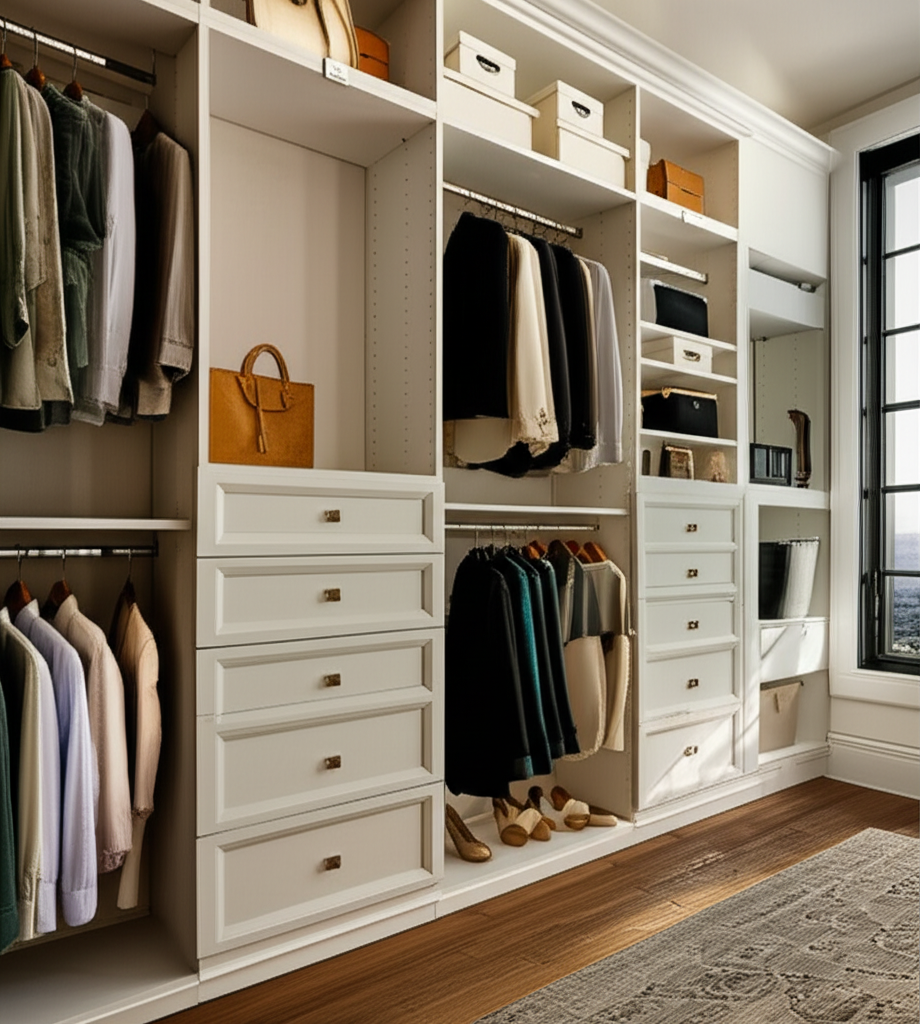
The kitchen is the heart of the home, and the pantry is its engine room. But for many homeowners, the pantry is a source of daily frustration—shelves that are too deep, items getting lost in the back, and a general sense of chaos.
A well-organized pantry isn’t just about looking pretty on Instagram; it’s about functionality. It saves you time cooking, saves you money (no more buying duplicates of things you already have), and reduces food waste.
Here is your ultimate guide to mastering pantry organization.
The 3 Zones of Pantry Design
Effective pantry organization starts with zoning. Think of your pantry in three distinct areas:
#### 1. The “Daily Use” Zone (Eye Level)
This is your prime real estate. Keep your most frequently used items here:
- Breakfast cereals and oats
- Snacks for the kids
- Pasta, rice, and grains
- Baking staples (if you bake often)
Design Tip: Use clear containers or open bins here so you can instantly see what you have and what’s running low.
#### 2. The “Heavy & Bulk” Zone (Bottom)
The floor and lower shelves are for heavy items:
- Bulk paper goods (towels, napkins)
- Cases of beverages (water, soda)
- Pet food containers
- Large appliances (stand mixer, blender)
Design Tip: Deep pull-out drawers or rolling bins are essential here. They prevent you from having to get on your hands and knees to reach the back.
#### 3. The “Occasional” Zone (Top)
The highest shelves are for items you need, but not often:
- Seasonal entertaining supplies
- Holiday baking pans
- Extra table linens
- Buying-in-bulk refills
Design Tip: Use labeled bins with handles. Even if you can’t see inside, the label tells you what’s there, and the handle makes it safe to pull down.
Must-Have Features for a Custom Pantry
If you’re remodeling or upgrading your pantry, these features are game-changers:
Adjustable Shelving
Standard fixed shelves are rarely the right height. Adjustable shelves let you customize the space for cereal boxes versus soup cans, eliminating wasted vertical space.
Pull-Out Shelves/Drawers
The single best upgrade for deep pantries. Pull-outs bring the back of the shelf to you. No more “expired can graveyard” in the dark corners.
Vertical Dividers
Perfect for storing baking sheets, cutting boards, and serving platters upright. This saves space and makes them easy to grab without unstacking a heavy pile.
Corner Solutions
Corners are notorious dead zones. Custom curved shelves or lazy susans maximize this awkward space effectively.
Spice Storage
Whether it’s a door-mounted rack or a shallow shelf, keep spices visible. If they are hidden in a deep cabinet, they won’t get used.
Organization Tips That Stick
Once you have the structure, keep it organized with these habits:
- Decant Dry Goods: removing packaging reduces visual clutter and keeps food fresher. Plus, you can see exactly how much is left.
- Label Everything: It sounds obsessive, but it helps other family members (and guests) know exactly where things go.
- First In, First Out: When restocking, put new items behind the old ones.
- Group by Category: “Baking,” “Breakfast,” “Dinner,” “Snacks.”
Walk-In vs. Reach-In Pantries
Walk-In Pantries:
- Pros: Massive storage, room for appliances, can hide mess.
- Cons: Requires more floor space, corners can be tricky.
- Best for: Large families, avid cooks, bulk buyers.
Reach-In/Cabinet Pantries:
- Pros: Efficient use of space, everything is visible at a glance.
- Cons: Less depth, fewer large items.
- Best for: Smaller kitchens, urban apartments, streamlined cooks.
Conclusion
You don’t need a massive walk-in to have a functional pantry. You just need a smart design that uses every inch effectively.
At Diseño Closets, we design pantries that make cooking a joy, not a chore. We analyze exactly what you store—from your oversized blender to your specific spice collection—and build a system around it.
Ready to reclaim your kitchen?
Call Delia at 651-646-0319.